Optimized Bulk Transport: Dependable Freight Solutions for Your Cargo Needs
Reliable bulk trucking functions as a mainstay for contemporary logistics answers, tackling various shipment requirements. Companies increasingly depend on purpose-built vehicles and advanced supply chain systems to streamline operations. This approach not only minimizes costs but also strengthens sustainability efforts. As businesses hunt for dependable choices, understanding the nuances of bulk trucking proves essential. Which factors must be considered when picking a provider, and in what ways can businesses optimize their shipments for maximum output?
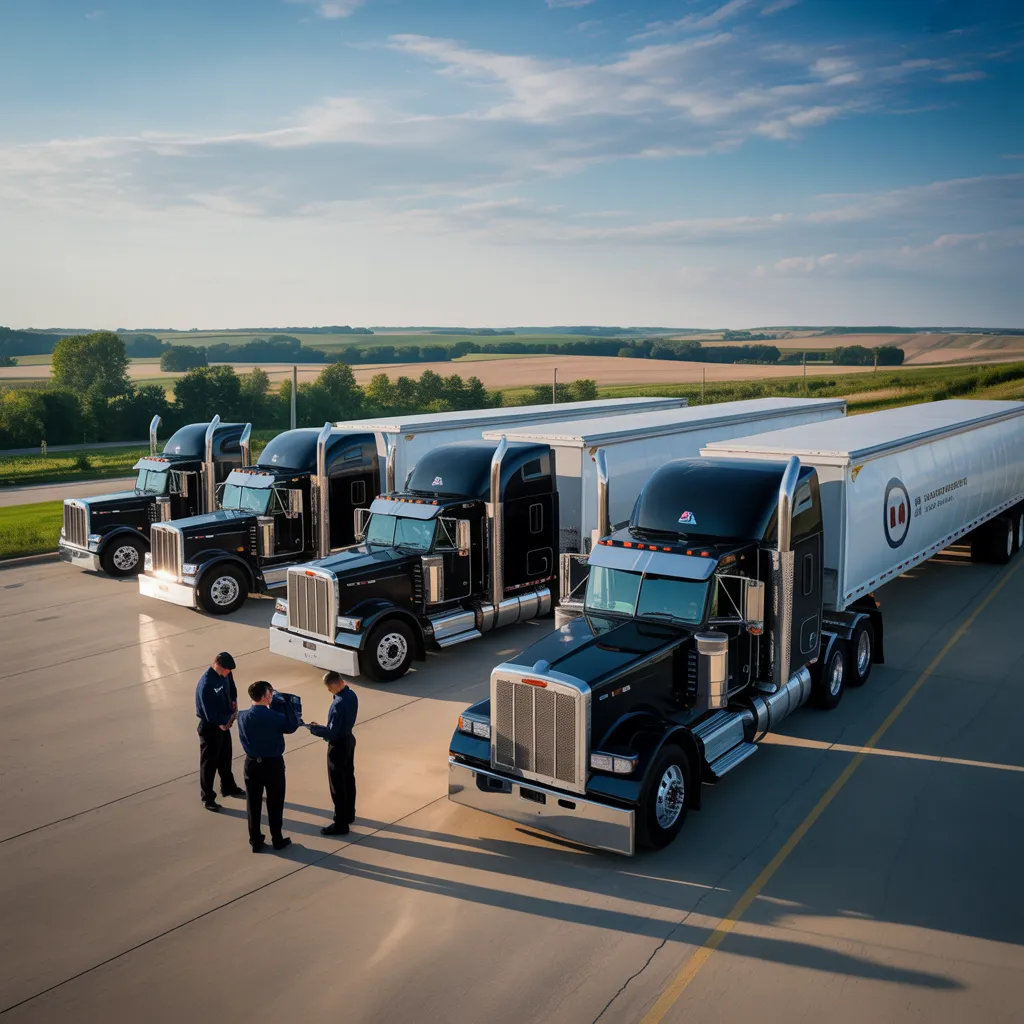
What Defines Bulk Trucking and How Does It Work?
Bulk trucking denotes the conveyance of large quantities of goods, often in bulk quantities, using custom trucks intended for efficient transport and transfer. This type of transport typically uses the application of flatbeds, containers, and tankers, which are able to carry various materials such as grains, liquids, or construction materials.
The process begins with the placement of goods at a specified facility, where advanced machinery ensures fast and streamlined handling. Once filled, trucks traverse predetermined routes to deliver the cargo to its destination, often employing GPS technology for optimal pathfinding.
When you get there, the unloading process happens using machinery tailored to the particular type of bulk being transported, guaranteeing minimal spillage and damage. Bulk trucking follows rigorous safety and compliance requirements, stressing the significance of maintaining cargo integrity throughout the journey. This systematic approach significantly improves supply chain efficiency, catering to industries that rely on large-scale transport solutions.
Main Benefits of Mass Trucking for Your Enterprise
Operational efficiency are a vital advantage that enterprises can find now achieve from using bulk trucking services. By grouping large shipments, businesses can cut transportation costs considerably. This approach limits the number of trips required, which not only minimizes fuel expenses but also diminishes wear and tear on vehicles.
Also, large-scale transport often creates more stable shipping patterns, reinforcing supply chain steadiness. Organizations can better manage stock levels, confirming that they have the needed goods on hand without excess inventory.
Moreover, bulk trucking bolsters environmental sustainability by diminishing the carbon emissions attributable to numerous fragmented deliveries. This eco-conscious method aligns with consumers increasingly attentive to ecological footprint.
Ultimately, bulk trucking provides adaptability, accommodating diverse cargo types, spanning raw materials to finished products. Overall, these benefits make bulk trucking a strategic choice for businesses looking to enhance their logistics operations.
Key Requirements for Finding a Reliable Bulk Trucking Company
Selecting a trustworthy bulk trucking provider is important for organizations looking to enhance the returns of their transportation plan. Key criteria to examine include the provider's credibility in the industry, which can be assessed through testimonial feedback and client endorsements. Observance with safety regulations and best practices is essential, as it ensures the preservation of both shipments and personnel. Moreover, examining the provider's truck maintenance and technology can indicate their competence for quick and reliable deliveries.
Pricing transparency is another vital factor; a reliable provider should offer clear pricing frameworks without surprise charges. Additionally, pliability in service range, such as scheduling and routes, facilitates firms to conform to variable needs. To conclude, strong communication skills and customer support are paramount, guaranteeing that end-users procure bulletins and backing throughout the conveyance process. By rigorously examining these criteria, businesses can select a contractor that fits their logistics goals.
Optimizing Bulk Freight for Cost Savings
Maximizing cost savings in large-scale freight handling can significantly improve a company's bottom line. Companies can achieve this by deploying efficient loading and unloading processes, which minimize turnaround times and reduce labor costs. Utilizing advanced logistics software to track shipments and optimize routes further promotes efficiency, guaranteeing that vehicles are fully loaded and reducing empty miles.
In addition, opting for the suitable type of bulk container can lead to impressive cost reductions. For example, using tailored containers created for unique cargo types can reduce product impairment and strengthen transport efficiency. Companies may also negotiate long-term partnerships with freight haulers to secure preferential rates, thereby controlling spending.
Regularly assessing and evaluating operational data permits companies to detect ineffective processes and introduce strategic enhancements. By focusing on these methodologies, companies can enhance their bulk cargo operations, leading to substantial financial benefits and a more advantageous market standing in the market.
Understanding Bulk Trucking Regulations and Adherence
Understanding the regulations governing bulk trucking is essential for ensuring operational success. Key compliance mandates and safety safety protocols shape the industry, impacting both efficiency and legal adherence. Companies must navigate these frameworks to improve their logistics and maintain safety protocols.
Critical Governance Requirements
Maneuvering through the complex terrain of bulk trucking regulations requires careful consideration to various key requirements. First, operators must adhere to federal and state licensing mandates, guaranteeing that all drivers possess the necessary Commercial Driver's Licenses (CDLs). Additionally, compliance with weight restrictions is imperative; vehicles must not exceed specified limits to avoid penalties and maintain road safety. Moreover, proper documentation, including Bills of Lading and freight manifests, is essential for tracking cargo and promoting transparency. Environmental regulations may also apply, particularly concerning emissions standards for trucks. Finally, understanding insurance requirements is vital, as adequate coverage protects both operators and shippers from unforeseen liabilities. Managing these regulatory aspects is crucial for efficient and compliant bulk trucking operations.
Safety Statutory Standards
Safety compliance standards serve as the foundation of efficient bulk trucking operations, guaranteeing the safeguarding of drivers, cargo, and the public. These standards encompass a range of requirements, including vehicle maintenance, driver qualifications, and cargo handling procedures. Companies must comply with guidelines set forth by federal and state agencies, such as the Department of Transportation (DOT) and the Federal Motor copyright Safety Administration (FMCSA). Regular maintenance inspections and checks are critical, as they reduce risks associated with equipment failure. Additionally, proper training for drivers on safety protocols enhances awareness of potential hazards. By cultivating a culture of safety compliance, bulk trucking companies not only protect their assets but also establish confidence with clients and the communities they serve.
Safety Requirements for Bulk Trucking Distribution
Making sure of the safety of bulk trucking transport calls for an all-encompassing method that considers various threats on the road. First, scheduled vehicle inspections are important to uncover mechanical faults before they escalate. Proper training for drivers on managing certain kinds of cargo strengthens their competence to meet challenges competently. Additionally, respecting weight limits reduces overloading, which can threaten stability and braking.
Using secure loading practices, including appropriate restraints, reduces cargo shifting during transit. It is also crucial to establish open dialogue with dispatch and other drivers to monitor road conditions and potential hazards. Utilizing GPS tracking can provide real-time updates, improving situational awareness.
In conclusion, developing a culture dedicated to safety within the organization inspires all personnel to concentrate on best practices. By utilizing these safety tips, bulk trucking operations can markedly lower risks, guaranteeing the secure shipment of goods while preserving lives on the road.
Upcoming Trends in Bulk Trucking: What to Anticipate?
What advancements lie ahead for the bulk trucking industry? As technology continues to advance, several trends are influencing the future of bulk trucking. Automation is set to play a significant role, with autonomous trucks expected to improve efficiency and reduce operational costs. Moreover, the integration of artificial intelligence and data analytics will improve route optimization and fuel efficiency, allowing for more reliable and timely deliveries.
Sustainability is also a primary concern, with an growing attention on environmentally responsible methods. Electric and hybrid trucks are expected to become more prevalent, reducing carbon footprints and complying with regulatory changes. Additionally, improvements in tracking technology will enhance fleet management, delivering real-time tracking and enhanced maintenance schedules.
Finally, the rise of e-commerce necessitates versatility in bulk trucking services, motivating organizations to adopt advanced transportation strategies. In total, these patterns reveal a transformative time for the trucking industry, stressing effectiveness, sustainability, and responsiveness.
Frequently Posed Questions
What Types of Cargo Are Best Suited for Bulk Transport?
Bulk trucking acts as an well-suited solution for transporting loose materials like grains, chemicals, aggregates, and liquids. These cargo types experience benefits from bulk transport because of their size and mass, optimizing performance and lowering overall shipping costs.
How Do Bulk Trucking Rates Compare Other Shipping Methods?
Bulk trucking rates are generally more cost-effective than other transportation options for large volumes. This efficiency results from lower handling costs and economies of scale, making it a popular option for transporting significant quantities of cargo.
What Systems Are Frequently Applied in Bulk Hauling Currently?
Contemporary bulk trucking uses cutting-edge tools such as GPS tracking for instant location tracking, telematics for vehicle diagnostics, electronic logging devices for compliance, and automated routing software to improve delivery speed and minimize operational costs.
Can Bulk Trucking Handle International Shipments?
Yes, bulk trucking can accommodate international shipments. Companies consistently utilize tailored transportation assets and logistics solutions to ensure compliance with international regulations, facilitating the transport of goods across borders promptly and safely.
How Does Large-volume Trucking Affect the Ecosystem?
Bulk freight transport leads to ecological damage through greenhouse gas emissions, fuel consumption, and potential structural deterioration of roads. However, improvements in technology and policy aim to mitigate these effects, promoting more green initiatives within the field.